Bruce McPherson Collection
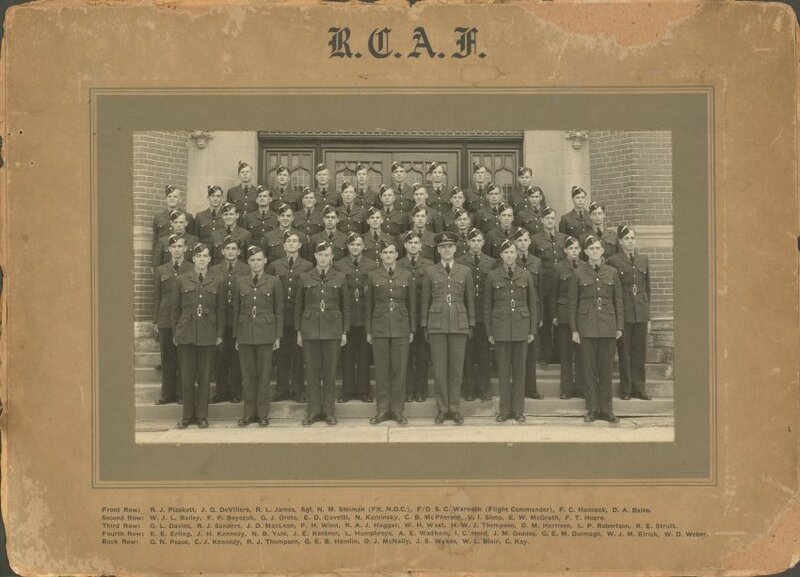
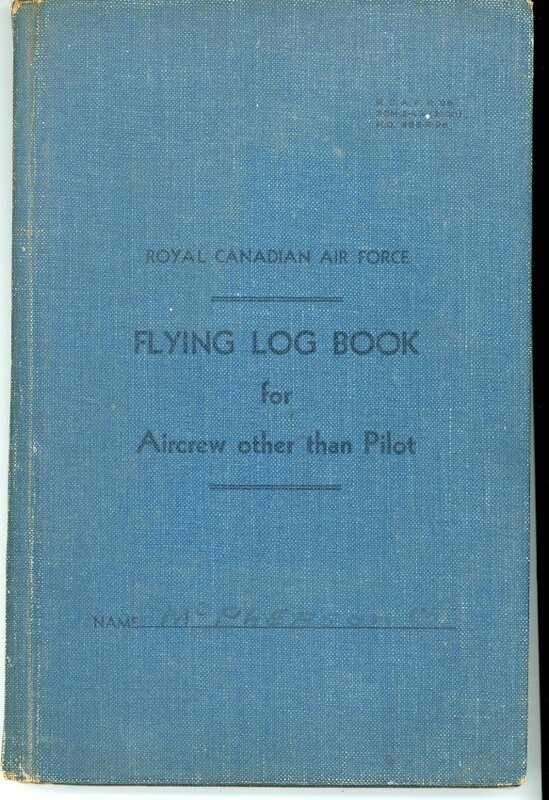
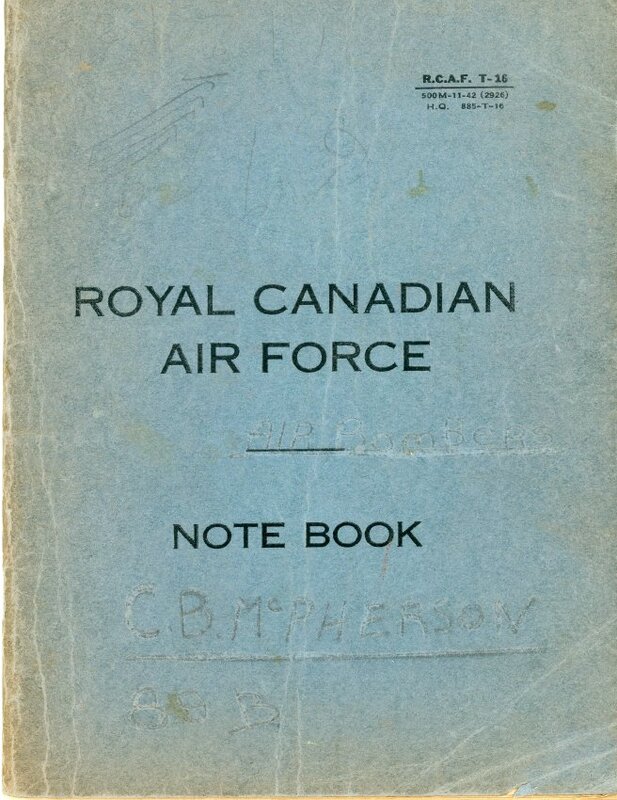
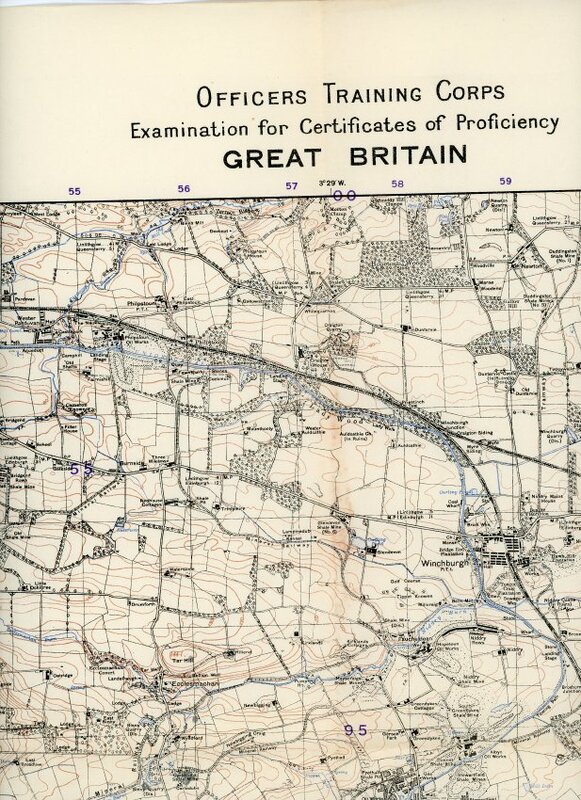
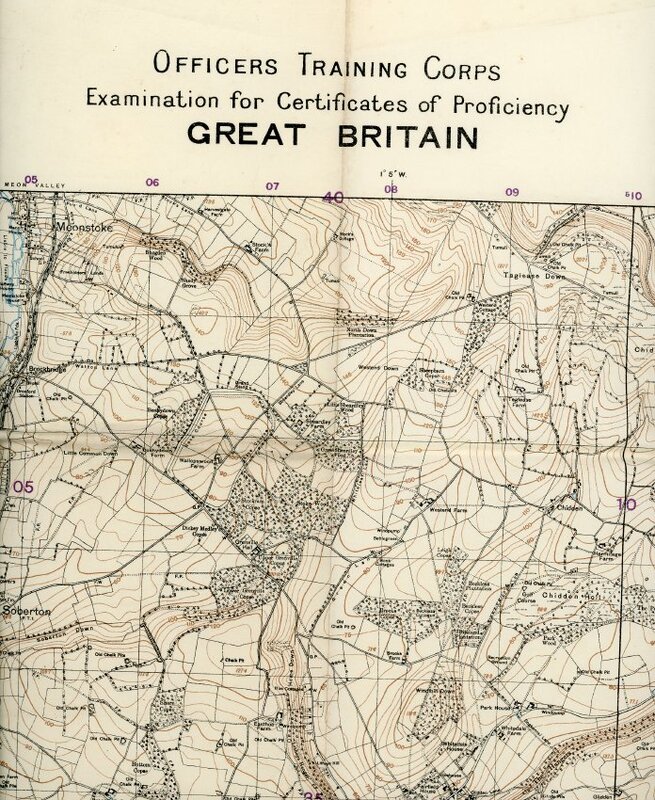
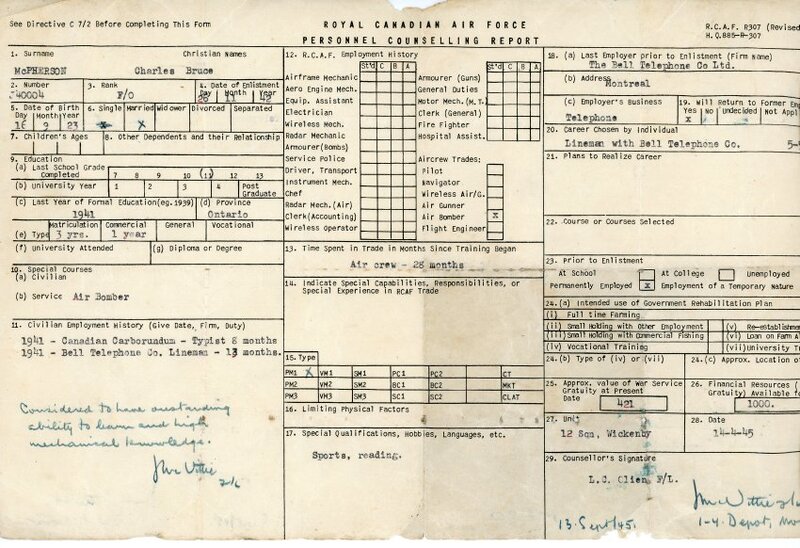
When Bruce McPherson turned 19 on September 16, 1942, he volunteered for the Royal Canadian Air Force so he could choose his branch of service. He went to Toronto to start training at Manning Depot #1 at the C.N.E. grounds. On May 2, 1943, he was sent to RCAF Station Regina No. 2 Initial Training School. After training, he was assigned as a Bomb Aimer aircrew member at #2 B and G School in Mossbank, Saskatchewan.
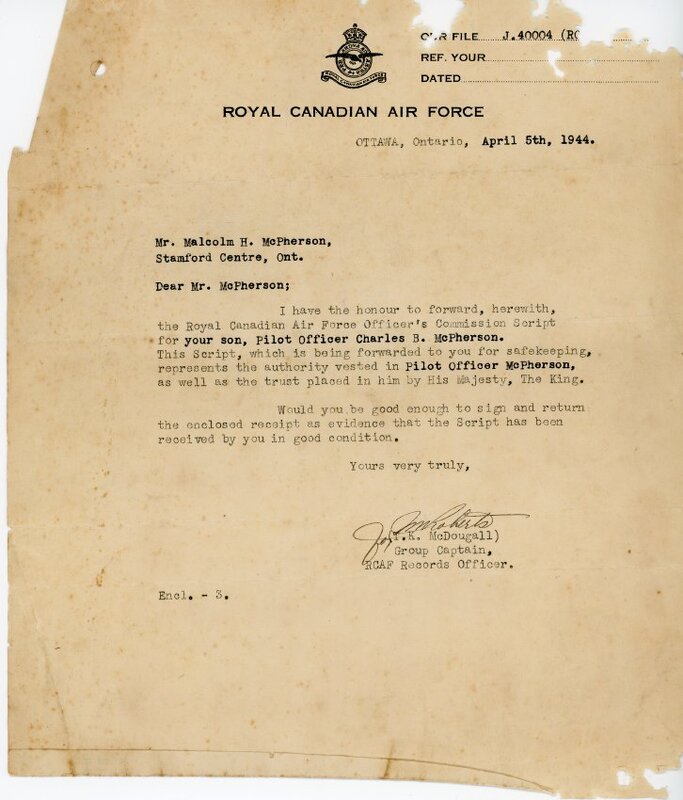
At Mossbank, McPherson took part in bombing exercises, practicing target aiming both day and night, and learned Morse code. On October 25, 1943, he finished his six-week bomb dropping course. He then attended gunnery school, graduating on November 13, 1943. McPherson was transferred to #5 Observer School in Winnipeg, Manitoba. On December 23, 1943, he graduated from the RCAF and was sworn in as a Pilot Officer, Service No. J4004.
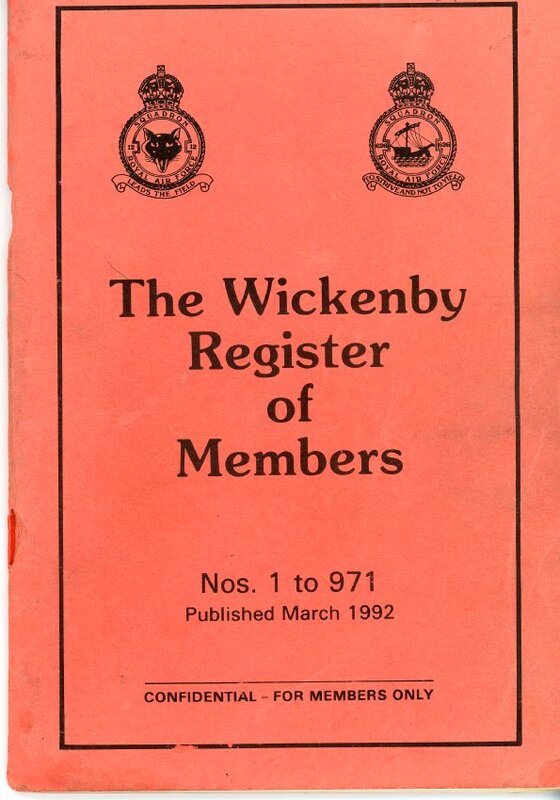
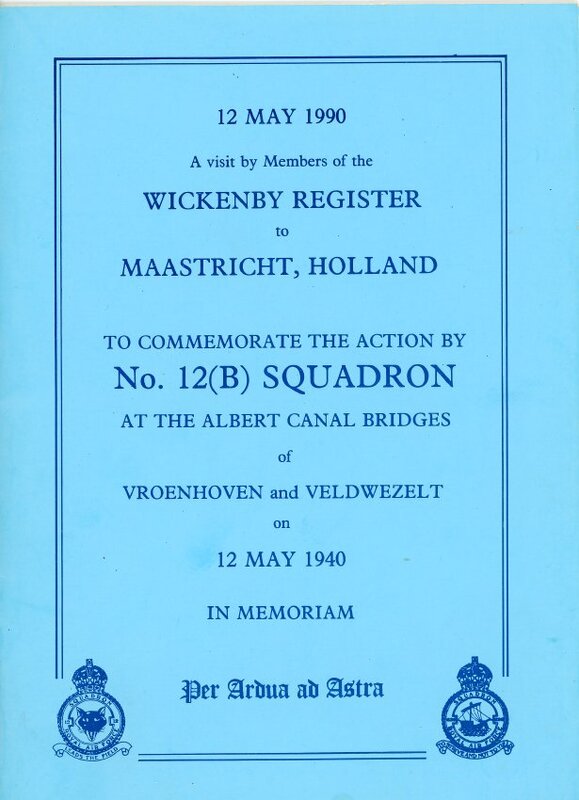
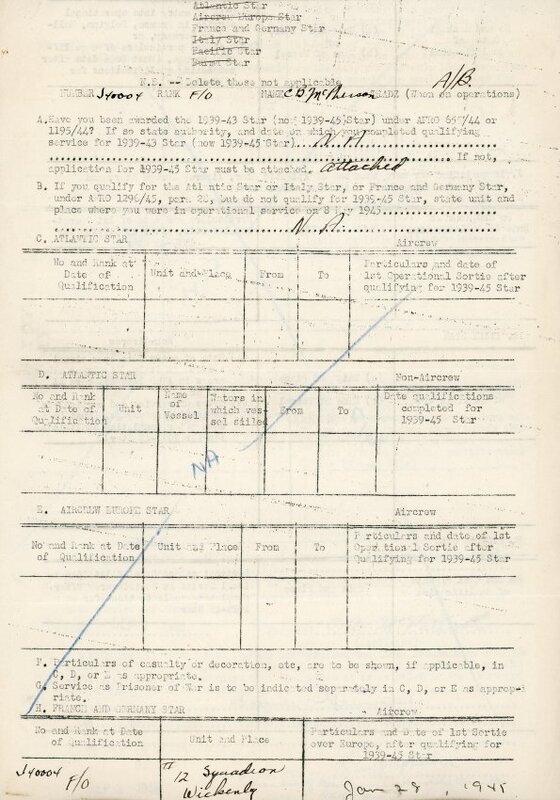
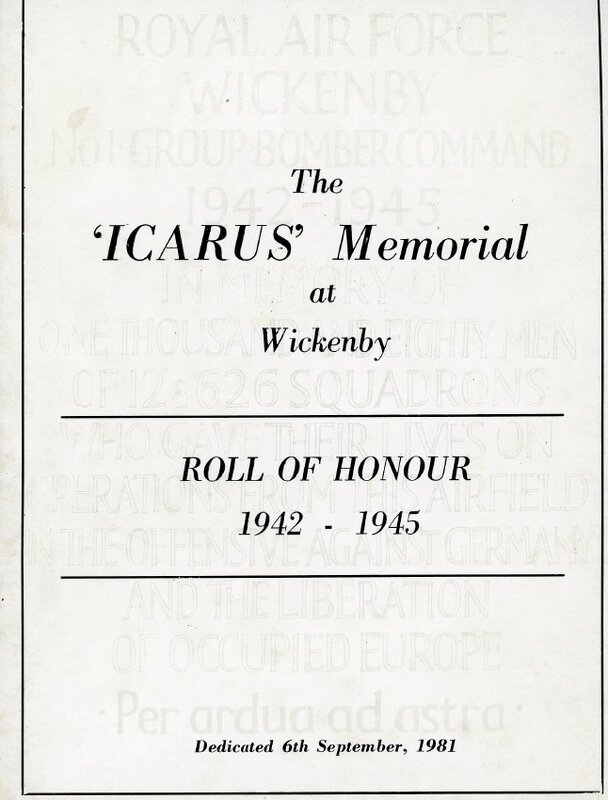
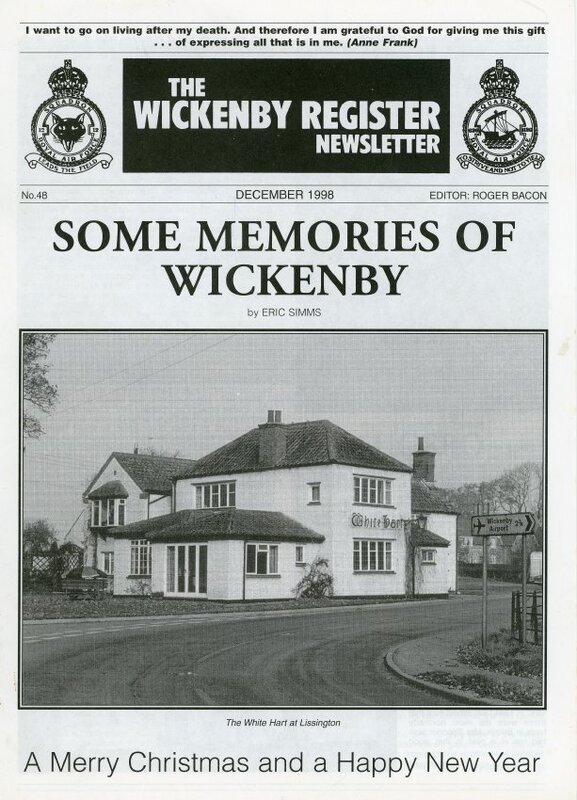
After Christmas, McPherson was sent to Quebec City to begin command courses. On April 10, 1944, he left Lachine, Quebec, for Bournemouth, England, and then traveled to Greenock, Scotland aboard the Empress of Scotland. He was then transferred to No. 3 (O) Advanced Flying Unit at Halfpenny Green, Worcestershire, on June 14, 1944, to continue his bomb dropping training, where he completed five flight operations. Dental health issues delayed his graduation, so he was sent to No. 18 Operational Training Unit at Finningley, Yorkshire, on July 18, 1944. McPherson graduated from Yorkshire on September 18, 1944, just after his 21st birthday. On October 1st, he was transferred to Boston Park, Standtoft, Yorkshire, at Holding Unit #1667 Conversion Unit, also known as Lanc Finishing School, to practice nighttime exercises with an infrared camera. By November 23, 1944, McPherson was fully trained and ready for operational duties. He was assigned to No. 12 Squadron, Royal Air Force, stationed at Wickenby Airfield, Lincolnshire, flying Lancasters and promoted to Flying Officer.
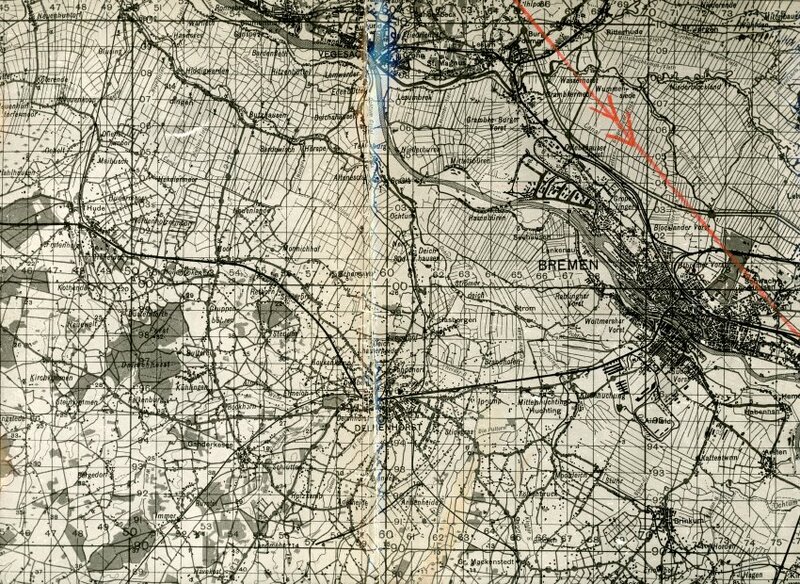
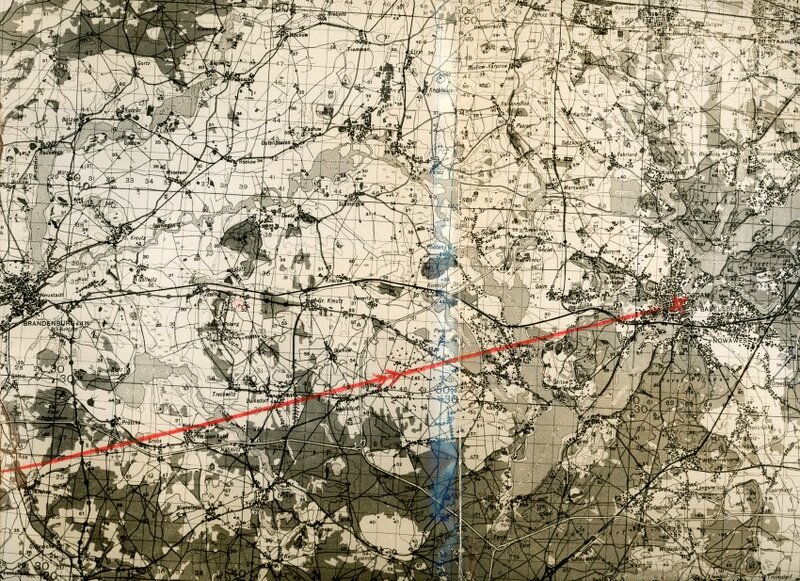
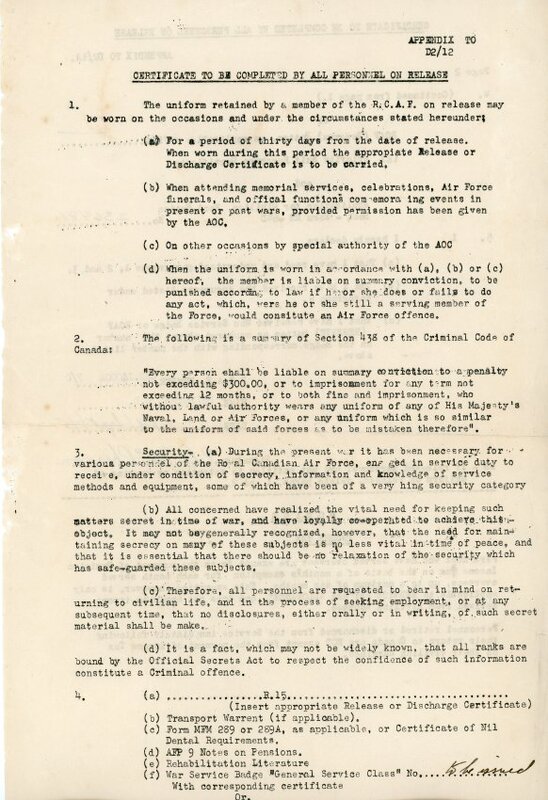
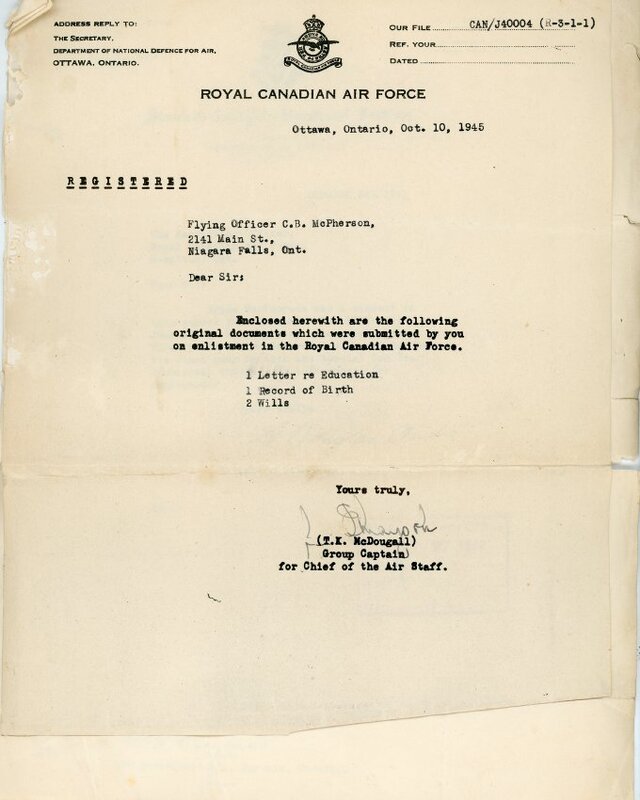
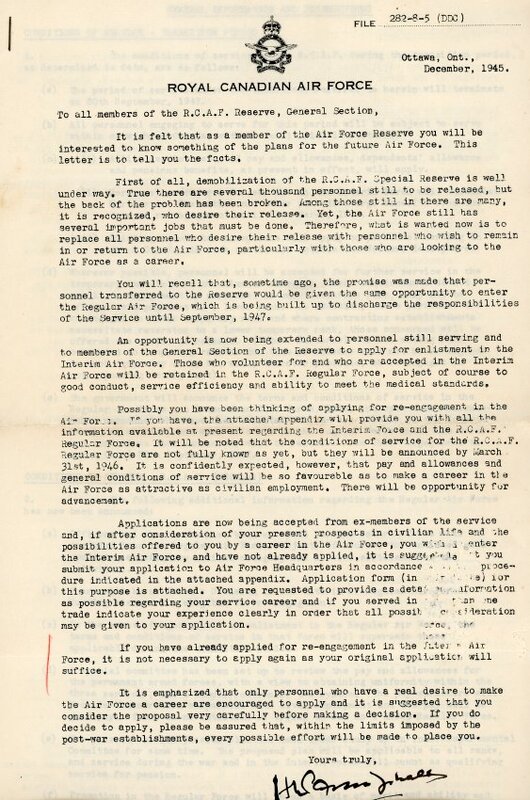
On December 15, 1944, McPherson flew his first combat mission in Ludwigshaven, near the Rhine River just across the Dutch border into Germany, targeting a chemical plant. He completed 30 operations across Germany and occupied France, including missions in Nuremberg, Dresden, Kassel, Bonn, Essen, and the Ruhr Valley, focusing on industrial railways. He also flew missions targeting sites in Norway and Sweden. On March 29, he took part in a daylight attack on a U-boat in Hamburg harbor. McPherson flew with 12 Squadron for 196 hours, with nearly 149 hours at night. On May 2nd, he was released from duty and went to London, where he visited pubs, saw famous sites, and attended V-E Day celebrations. He returned to Canada aboard the S.S. Mauritania, arriving in Halifax on June 28, where a parade welcomed his ship. He then traveled to Toronto to reunite with his family. On July 7, he married his girlfriend, Marie. He continued his service with training for Tiger Force in Greenwood, Nova Scotia, reporting for duty on August 2. On September 14, 1945, Bruce McPherson was discharged and received his leave papers. He returned home on September 17 and applied for a job at Bell Canada.