
Gosport tube
Item
Title
Gosport tube
Description
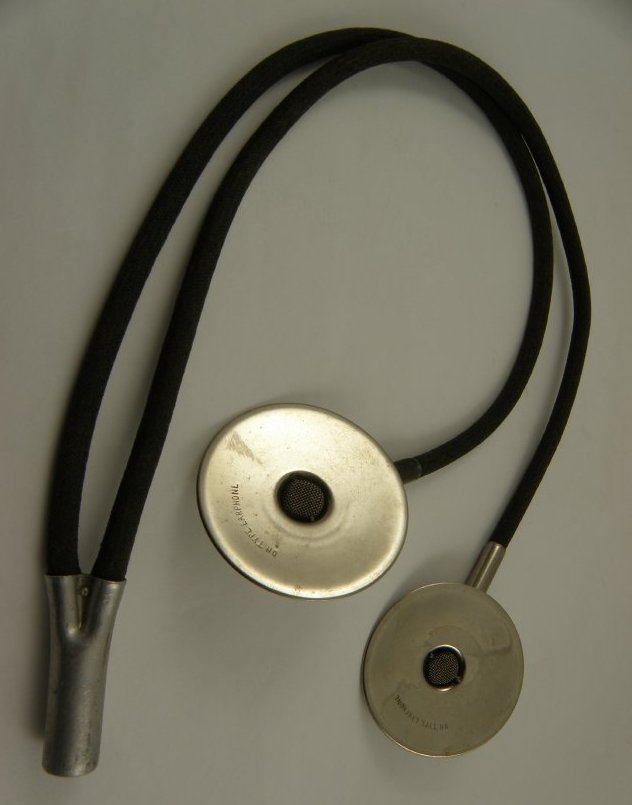
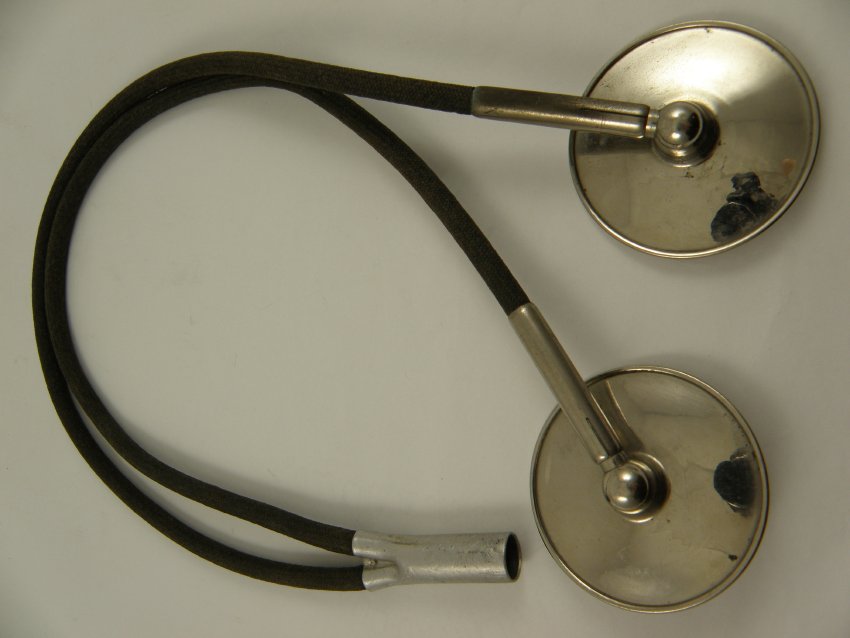
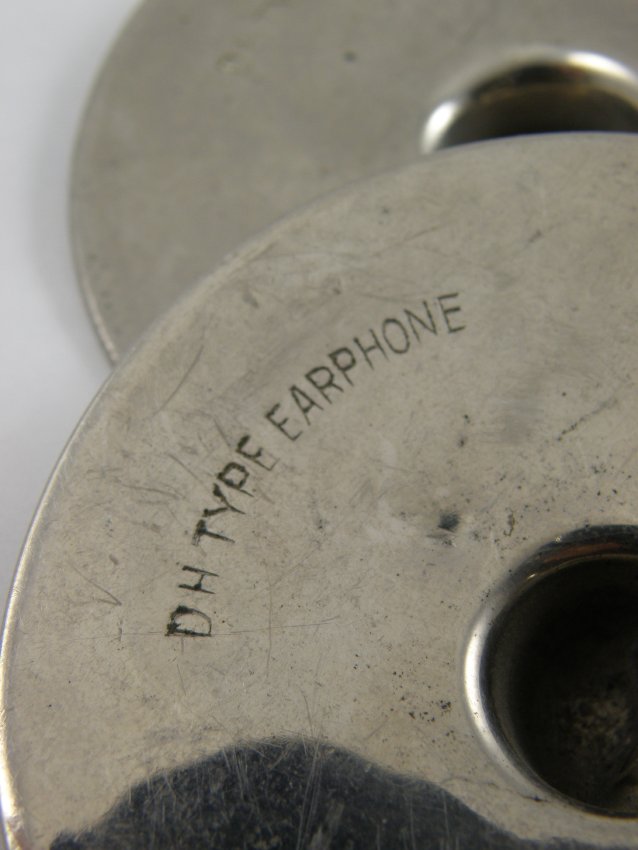
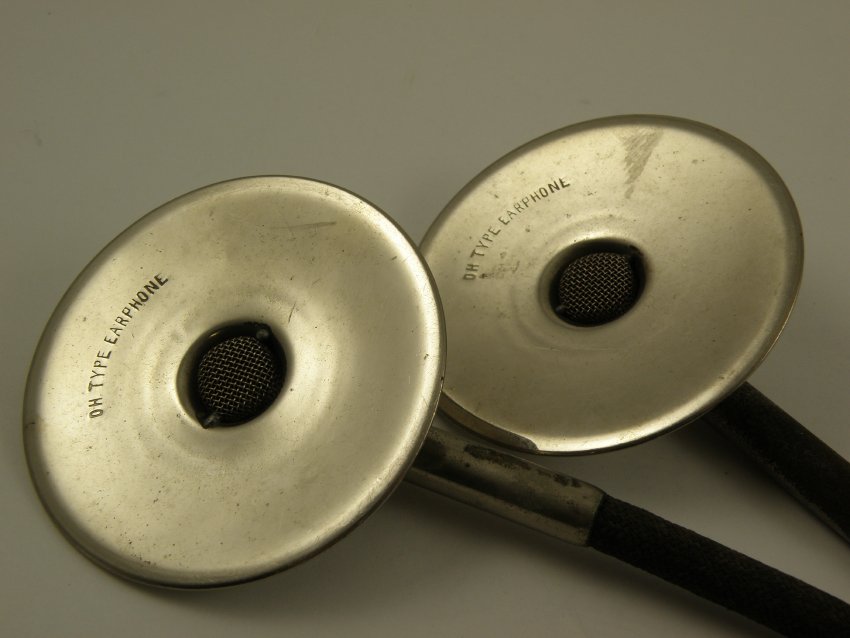
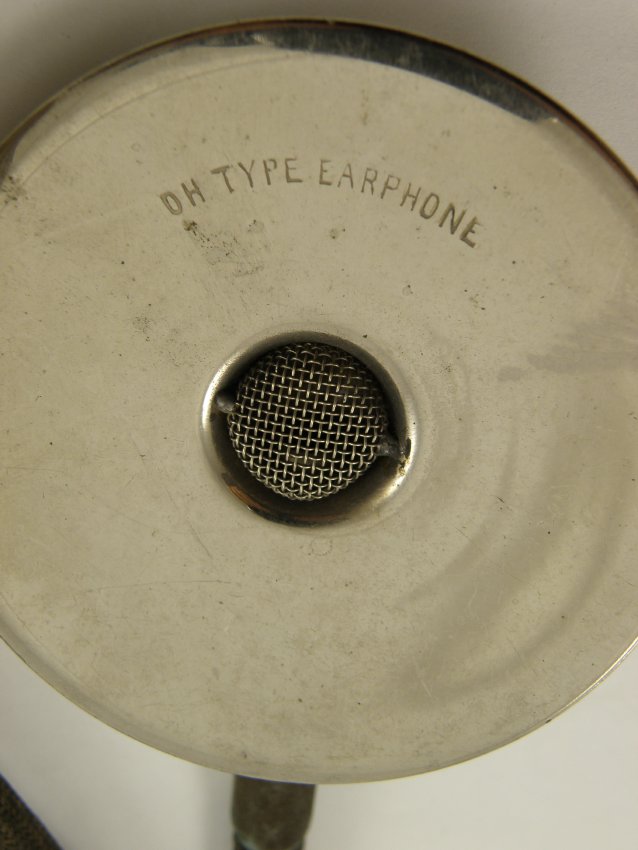
De Havilland Gosport tube circa 1935. This Gosport tube has two circular chrome plated metal ear pieces with DH TYPE EARPHONE stamped into each. Attached to each earphone is a hollow 20 inch flexible rubber tube covered in braided brown cloth and joined together at the end by a single metal tube.
Identifier
003.010.002
Format
Provenance
Under the leadership and inspiration of Major Robert R. Smith-Barry, the School of Special Flying was opened in Gosport, England, in August 1917. Before Gosport, many pilots completed training while on active service, during which they were expected to fly more powerful, less forgiving aircraft, often with little or no training on transitioning from one type to another (by 1916, the British flew 76 varieties). They had to perform combat maneuvers while under fire and extreme stress. Gosport emphasized aerobatic and combat maneuvers and also adopted a standard aircraft for training: the British-made Avro 504 biplane. By the end of 1917, Smith-Barry also had introduced the Gosport Tube, a system of voice pipes and headphones for communication between instructor and pupil. Though it came too late in the war to benefit many pilots, Gosport revolutionized flight training in Britain, and many of the school’s techniques became part of the foundation of knowledge for generations of pilots. Communication between flying student and instructor was difficult to achieve over noise produced by the airplane’s motor. If the instructor was in the front cockpit, he gestured with hand signals to supplement oral commands shouted into the slipstream. From the rear cockpit he would pound on the student and, if necessary, reduce power so that his shouts could be heard. Some enterprising folks tied ropes to the arms of the front seat occupant and steered him by "gee and hawing" like reins on a horse. The British flying school at Gosport, England developed a device whereby the instructor shouted into a funnel-like arrangement having a rubber tube divided by a "Y" which connected to ear pieces in the student’s helmet. Amazingly, the Gosport tube continued to be used in military training through World War II. Although it was better than nothing, the instructor had to shout into the speaking tube and then look up into the rear view mirror in an attempt to ascertain whether the cadet heard him. After five students and five hours of that, the instructor’s voice sometimes began to get weary. Worse than that, the conscientious instructor was always concerned that the cadet might think he was being scolded perpetually, which is not conducive to good morale.
Abstract
Fair
Date Created
1935