Bubble sextant
Item
Title
Bubble sextant
Description
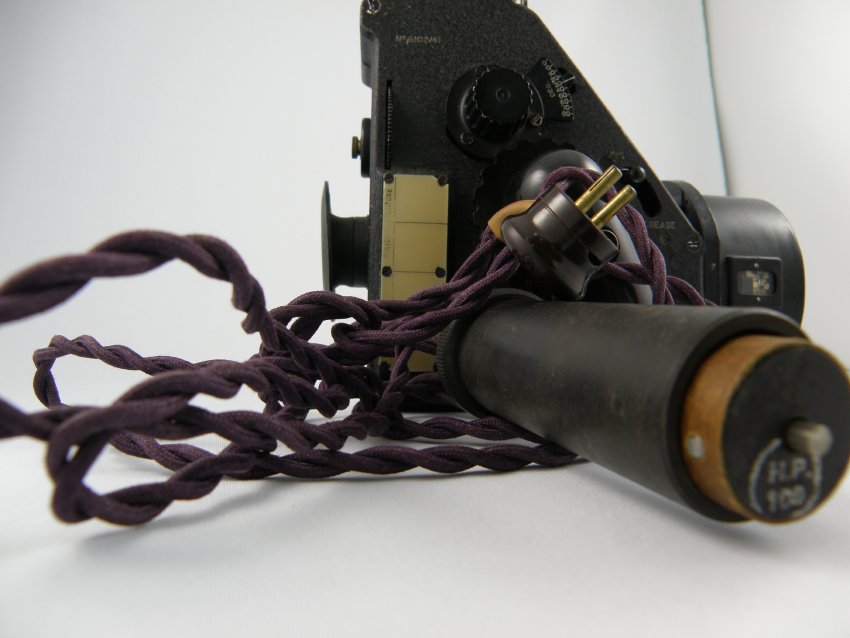
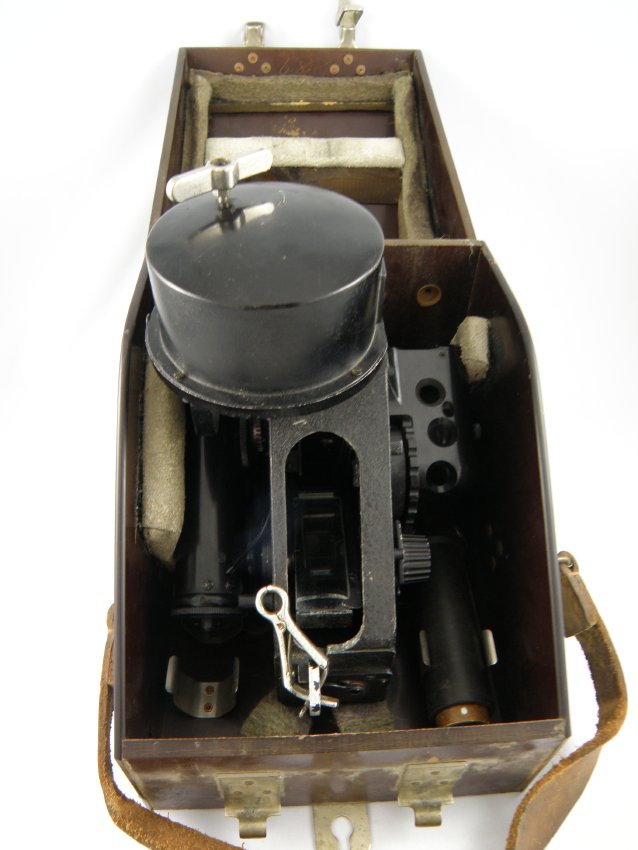
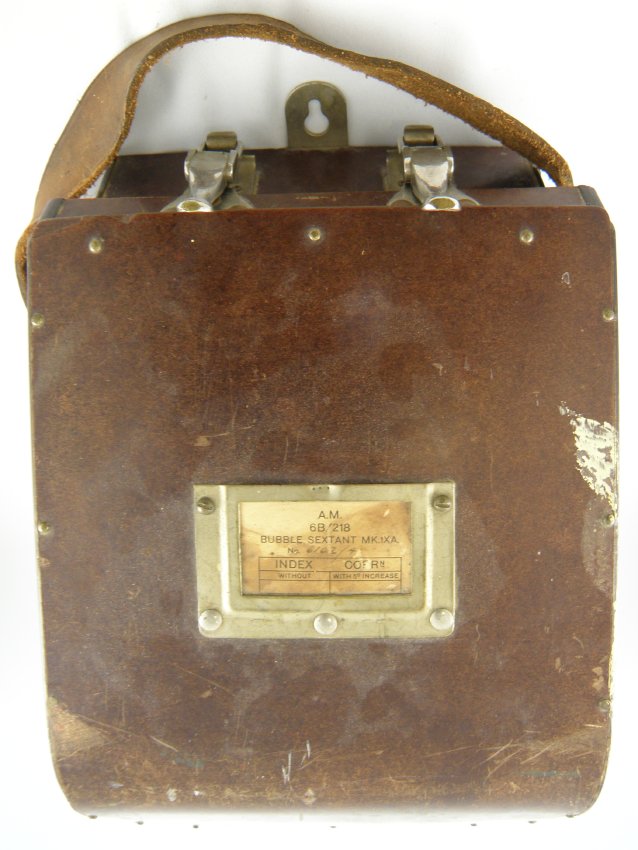
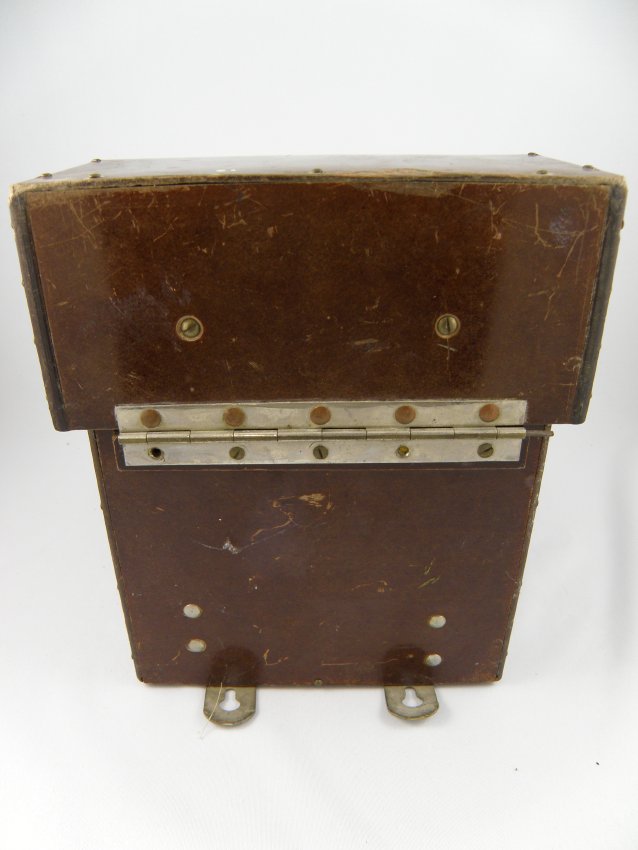
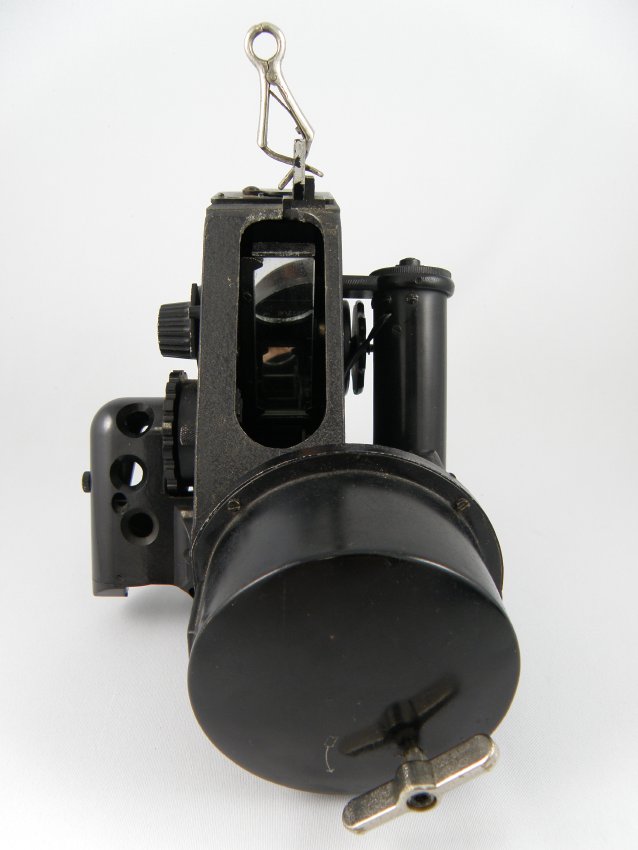
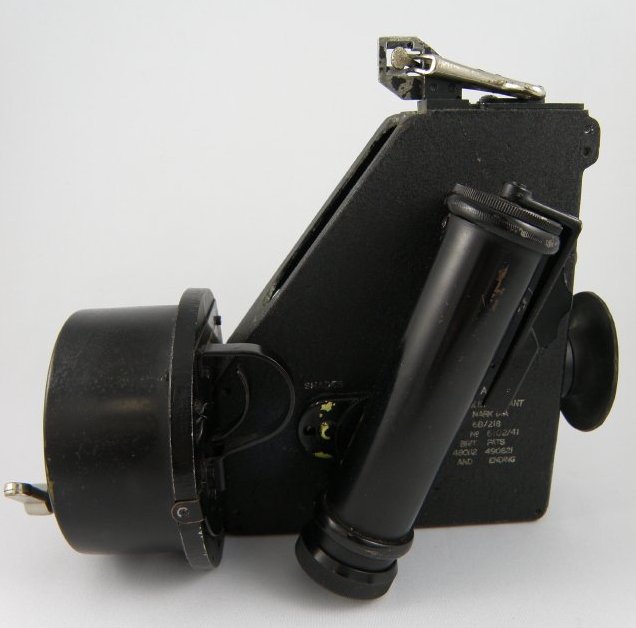
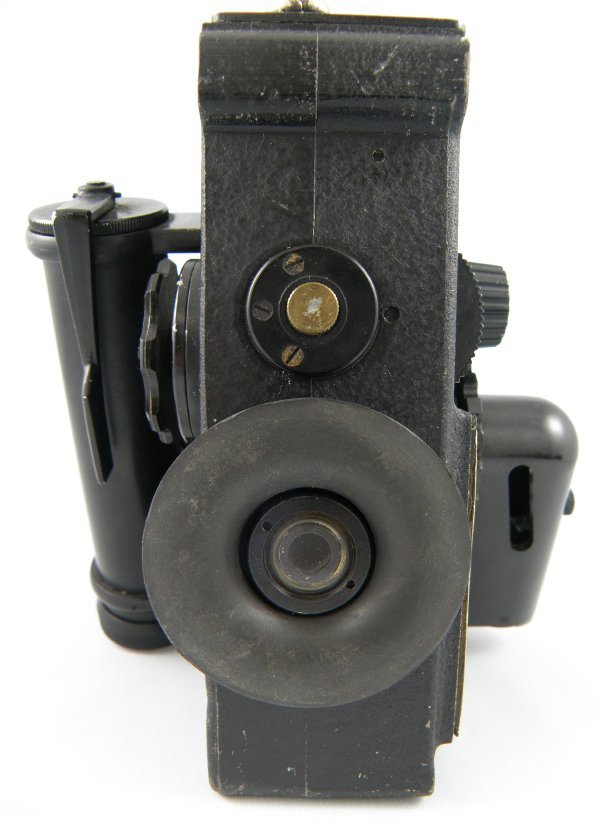
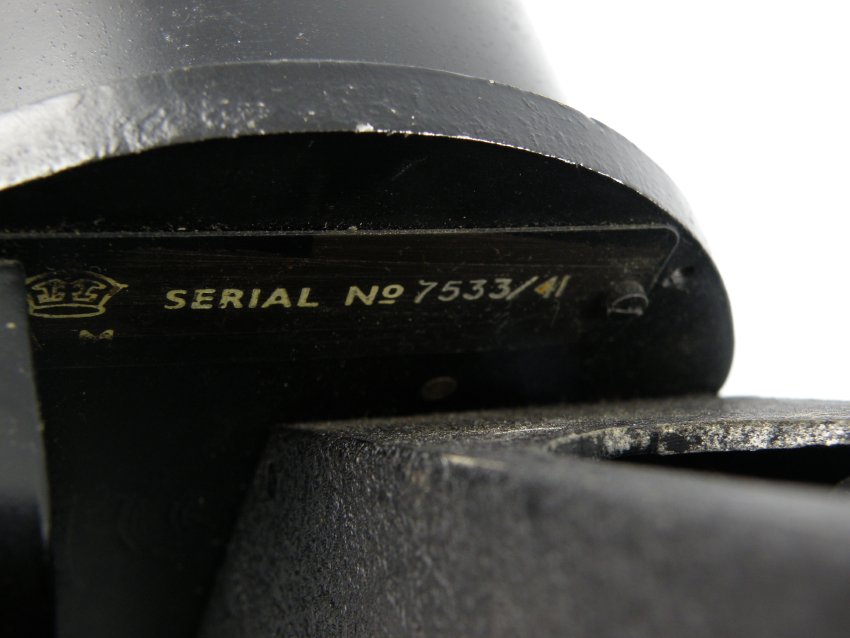
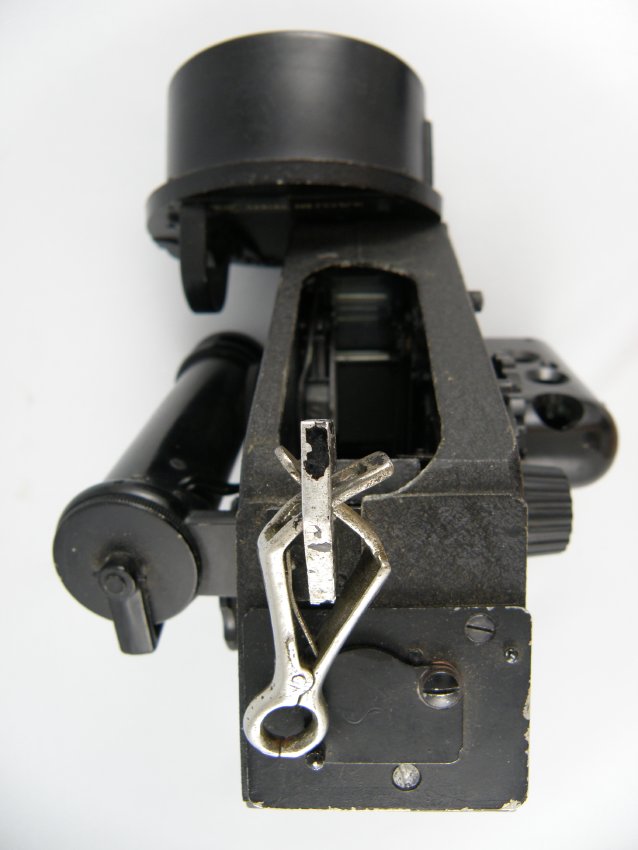
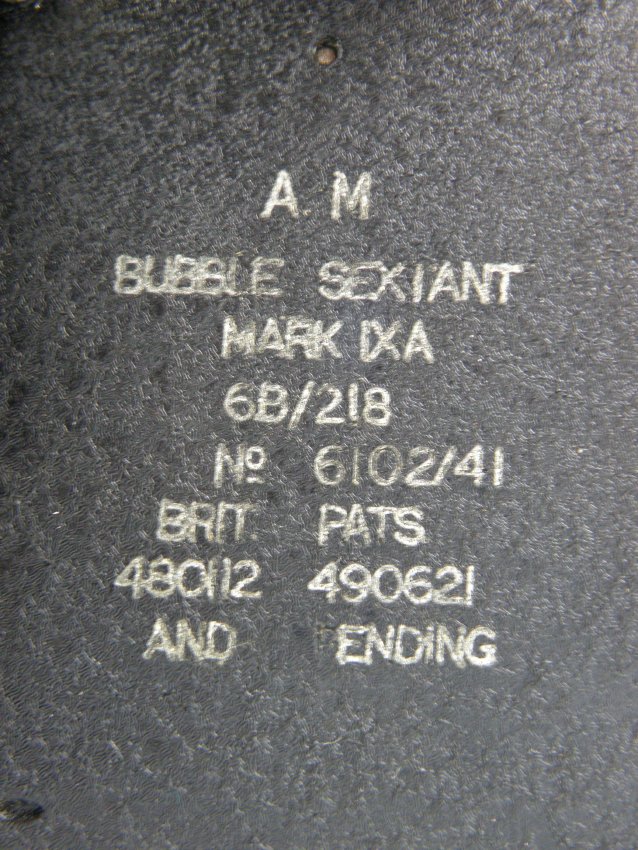
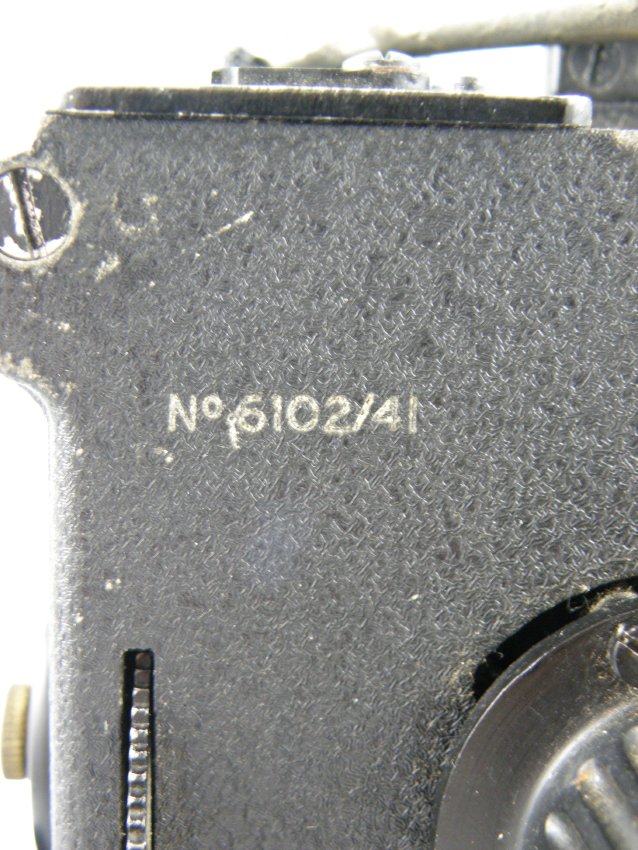
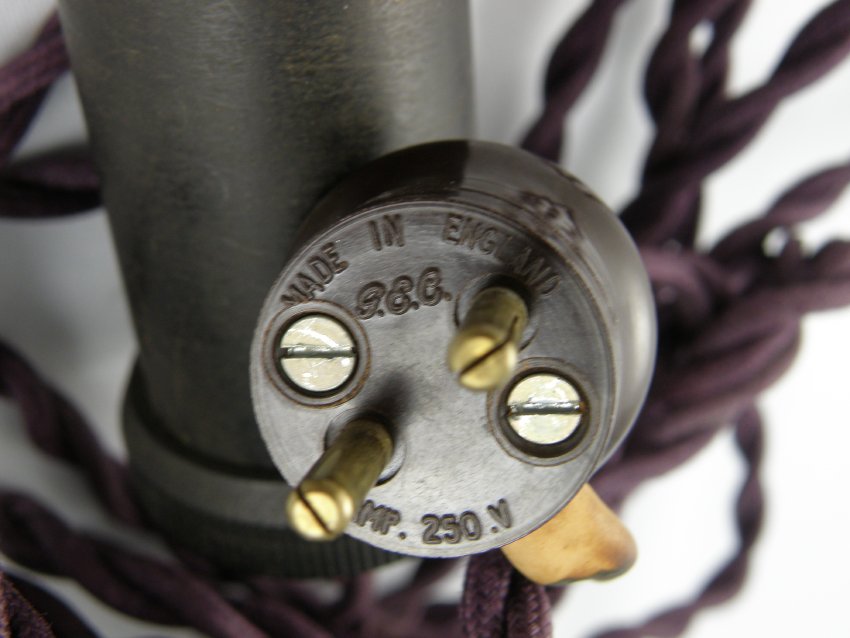
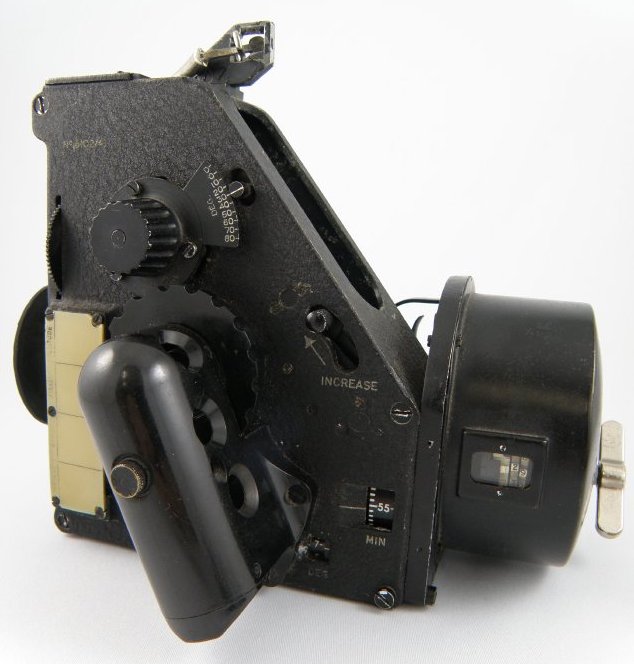
AIR MINISTRY AIRCRAFT BUBBLE SEXTANT, MK. IX A, SERIAL NO. 6102/41, REF. NO. 6B/218, WITH ROSEWOOD LACQUERED STOWAGE CASE. Black cast aluminum crinkled finish, (Ref. No. 6B/218) second model with an open slot present at the front where a black drum houses the two minute clockwork automatic averaging attachment. An identification plate attached to the back of the clockwork is stamped with the Serial No.7533/41. Stamped on the bubble sextant in white print next to the handle, "A.M. BUBBLE SEXTANT MARK IX A 6B/218, No. 6102/41, BRITS PATS. 480112 490621 AND PENDING". The eyepiece has a black rubber eyecup over top of it. The batteries are still present in the left handle which is located on the left side of the bubble sextant. The serial number, No. 6102/41, appears again on the upper right side of the bubble sextant. A silver metal pinch clip is attached to a metal bracket at the top of the bubble sextant. Two metal mounting brackets riveted to the lower back of the case along with a tanned leather carrying strap attached to metal brackets which are riveted to the sides. The paper identification card is still present in the framed metal card holder riveted to the front of the carrying case reads, "AM 6B/218 Bubble Sextant MK.IX A, No. 6102/41." Inside the case secured by two metal bracket clips, is a black plug adapter (there was no ref. no. or voltage information stamped on it) with a 80" purple braided cord attached to a brown G&C 2amp 250 volt two pin plug with made in England stamped on it. Attached to four similar clips on the opposite side of the case is one blackened wooden tube, 1¼" in diameter and 3 7/8" tall.
Identifier
004.046.009
Provenance
This instrument, introduced in 1938 and widely used by the Royal Air Force during World War II, is a modification of the Booth sextant designed by the British Royal Aircraft Establishment in 1918. Its most important new feature is a mechanical device that gives the navigator the average value of 60 observations taken over the course of two minutes. It was made by Hughes & Son, Ltd., of London. Aircraft Sextant Interest in aeronavigational instruments arose with the demonstration of the military potential of aviation during World War I, and built slowly in the 1920s. The introduction of commercial transoceanic flights in the mid-1930s, together with growing international unrest, led to increased attention to this technology. The military services purchased large numbers of these instruments in the early years of World War II, and again during the Cold War, as did commercial airlines in the post war period.
Abstract
Excellent
Date Created
1941